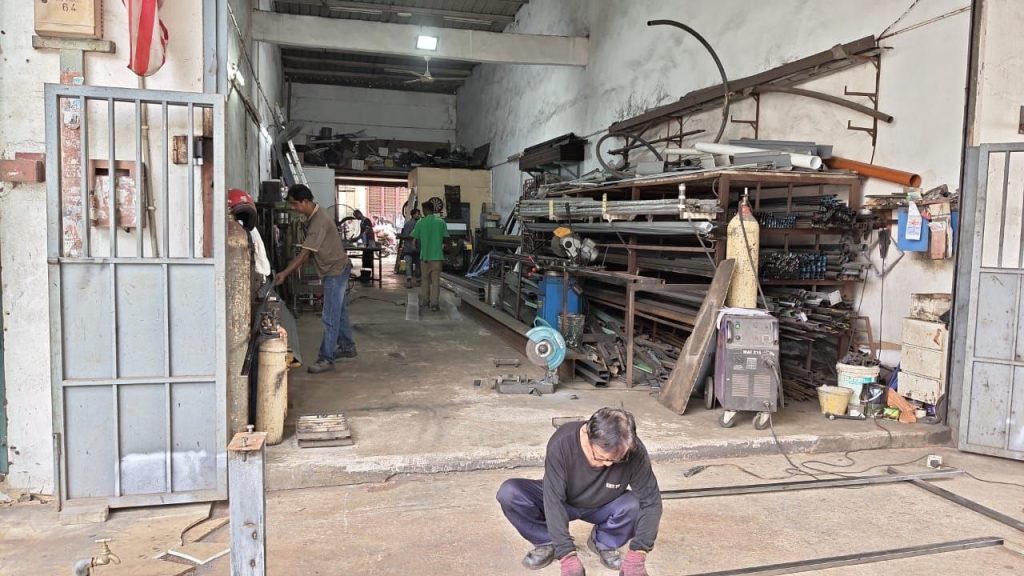
- Structural Beam: Footing / Stump
- Structural Beam: Hall
- Structural Beam: Building
- Stainless Steel: Railing
- Stainless Steel: Door Grill
- Stainless Steel: Window Grill
- Awning
- Water Proofing: Epoxy
- Water Proofing: Tiles
- Turbine: Turbine Installation
- Turbine: Netting Ceiling
- Home & Industrial Roof
- Fixing Pipe Leaking
Epoxy
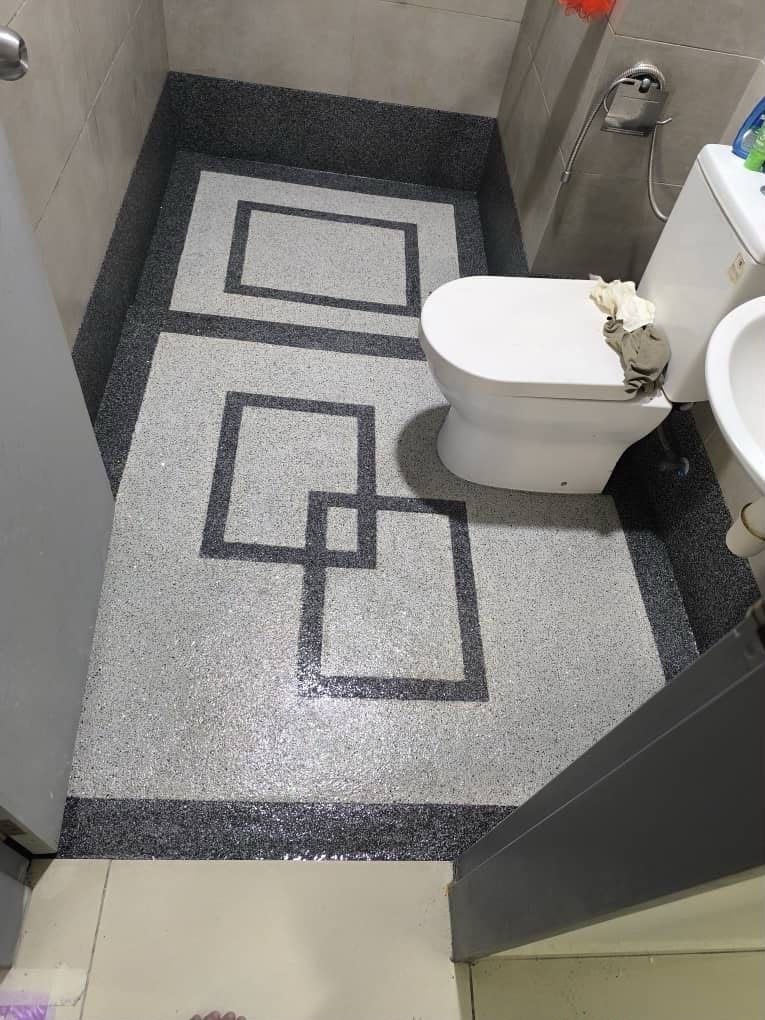
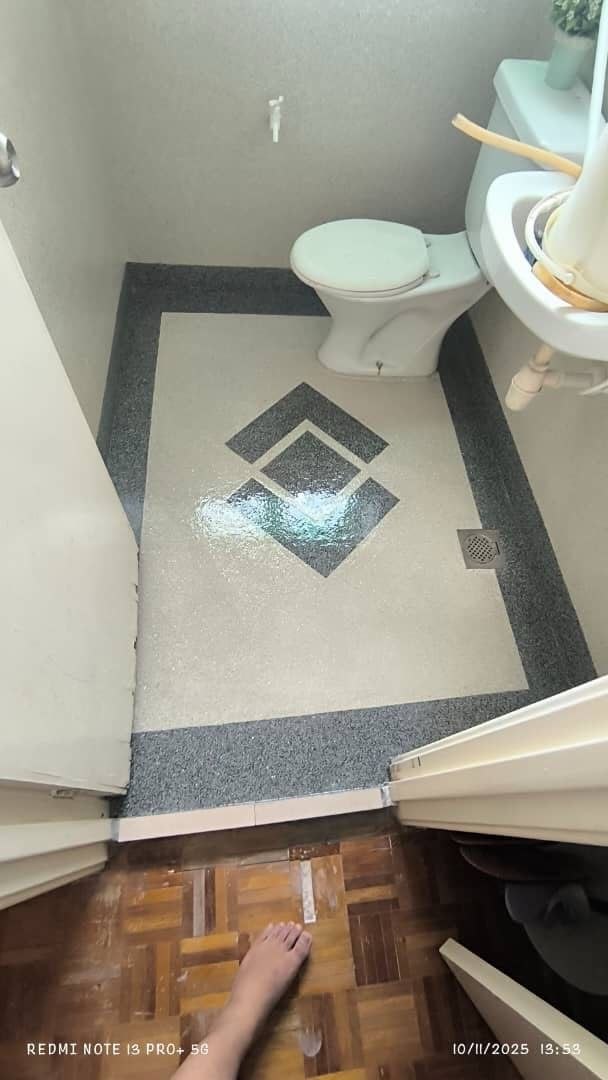
Epoxy refers to a high-performance synthetic thermosetting resin used as a structural adhesive, coating, mortar, or grout. Formed by mixing an epoxide resin with a polyamine curing agent, it undergoes a chemical reaction that creates a rigid, highly durable plastic material with exceptional bond strength.
Structural Adhesives: Used to bond concrete to concrete, steel to concrete, or anchor rebar and bolts into solid rock and masonry because the cured bond is often stronger than the materials being joined.
Epoxy Flooring: Applied as a seamless, high-gloss liquid coating over concrete slabs in warehouses, garages, and commercial facilities to provide high resistance to heavy traffic, chemicals, impact, and moisture.
Crack Injection: Injected into structural concrete cracks under pressure to restore structural integrity, seal out water, and prevent steel rebar corrosion.
Epoxy Mortars & Grouts: Heavy-duty mixtures of epoxy resin and graded silica sand used to patch spalled concrete, repair heavy-duty industrial floors, or grout high-load machinery bases.
Key Properties: High tensile and compressive strength, rapid chemical curing, zero shrinkage upon hardening, and superior resistance to moisture, salts, acids, and alkalis.