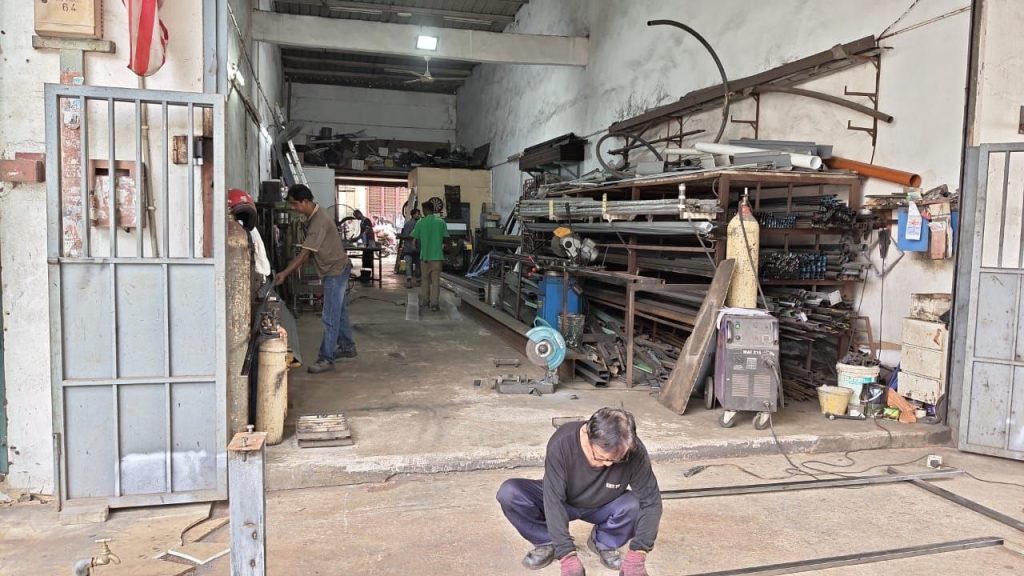
- Structural Beam: Footing / Stump
- Structural Beam: Hall
- Structural Beam: Building
- Stainless Steel: Railing
- Stainless Steel: Door Grill
- Stainless Steel: Window Grill
- Awning
- Water Proofing: Epoxy
- Water Proofing: Tiles
- Turbine: Turbine Installation
- Turbine: Netting Ceiling
- Home & Industrial Roof
- Fixing Pipe Leaking
Railing
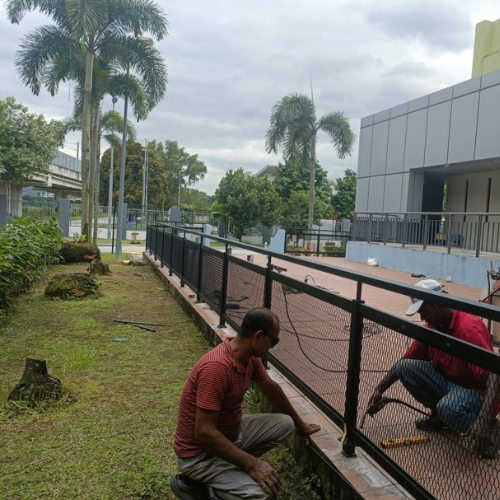
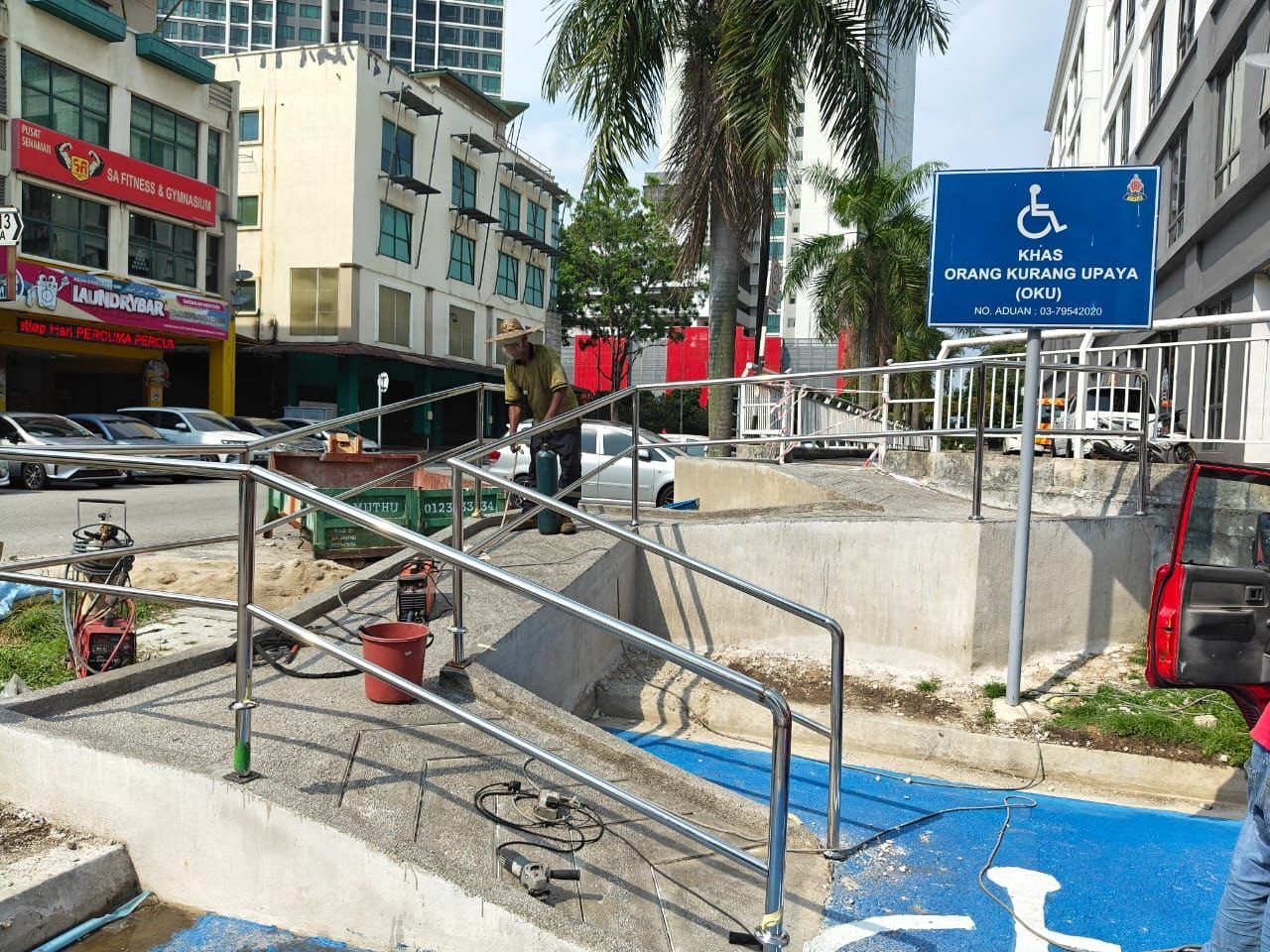
Stainless steel construction for railings involves using corrosion-resistant alloy steel components (typically Grades 304 or 316) to build structural safety barriers for stairs, balconies, walkways, and decks. This construction method combines high tensile strength with a sleek, modern aesthetic and exceptional durability against environmental elements.
Key Components
Posts (Balusters): Vertical structural supports that anchor the railing system to the floor, deck, or stairs.
Top Rails: The handrail portion gripped by users, available in round, square, or rectangular profiles.
Infill Materials: The barrier elements between posts, which can consist of horizontal or vertical rails (balusters), glass panels, or tensioned stainless steel cables.
Base Plates & Brackets: Hardware used to securely mount posts to concrete, wood, or steel substrates.
Fittings & Connectors: Elbows, end caps, and adjustable joints used to link sections without visible welds.
Material Grades
Grade 304: The standard architectural grade containing chromium and nickel. It offers excellent indoor durability and moderate outdoor corrosion resistance in clean environments.
Grade 316: Contains an addition of molybdenum, providing superior resistance to chlorides, salt spray, and harsh industrial chemicals. It is the preferred choice for coastal areas, marine environments, and outdoor swimming pools.
Construction & Fabrication Methods
Welded Systems: Components are permanently joined using TIG (Tungsten Inert Gas) welding, followed by grinding and polishing to create a seamless, continuous finish.
Modular / Mechanical Systems: Prefabricated components fit together using mechanical fasteners, set screws, and structural adhesives, allowing for faster on-site assembly without hot work permits.
Surface Finishes: Typically finished with a directional brush (#4 finish) for a contemporary satin look, or electropolished for maximum corrosion resistance in aggressive environments.
Advantages
Corrosion Resistance: Does not rust easily, minimizing long-term maintenance compared to carbon steel or wrought iron.
High Strength-to-Weight Ratio: Withstands heavy structural loads while maintaining a slim, minimalist profile.
Low Maintenance: Requires only occasional washing with mild detergent and water to preserve its metallic sheen.