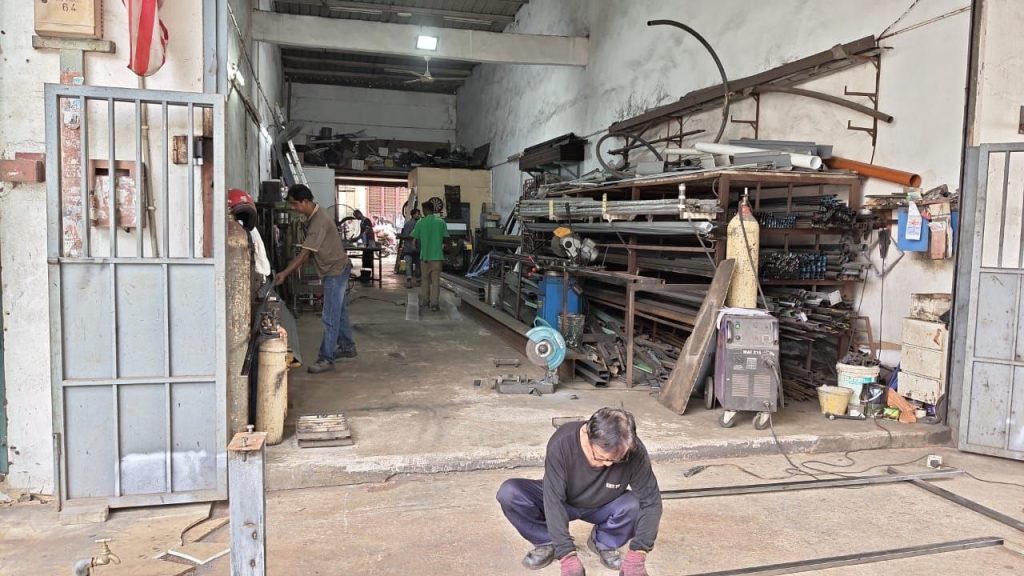
- Structural Beam: Footing / Stump
- Structural Beam: Hall
- Structural Beam: Building
- Stainless Steel: Railing
- Stainless Steel: Door Grill
- Stainless Steel: Window Grill
- Awning
- Water Proofing: Epoxy
- Water Proofing: Tiles
- Turbine: Turbine Installation
- Turbine: Netting Ceiling
- Home & Industrial Roof
- Fixing Pipe Leaking
Window Grill
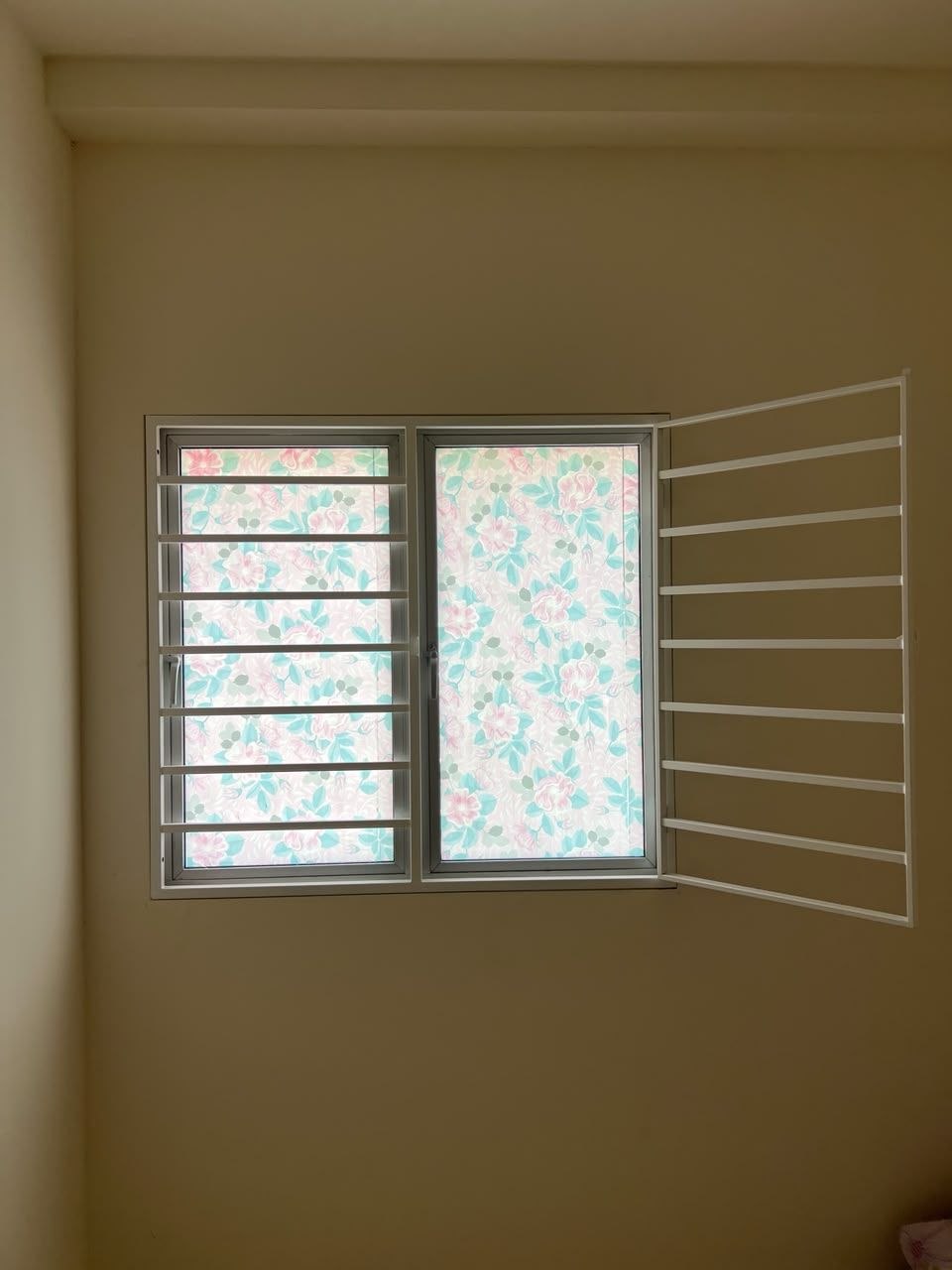
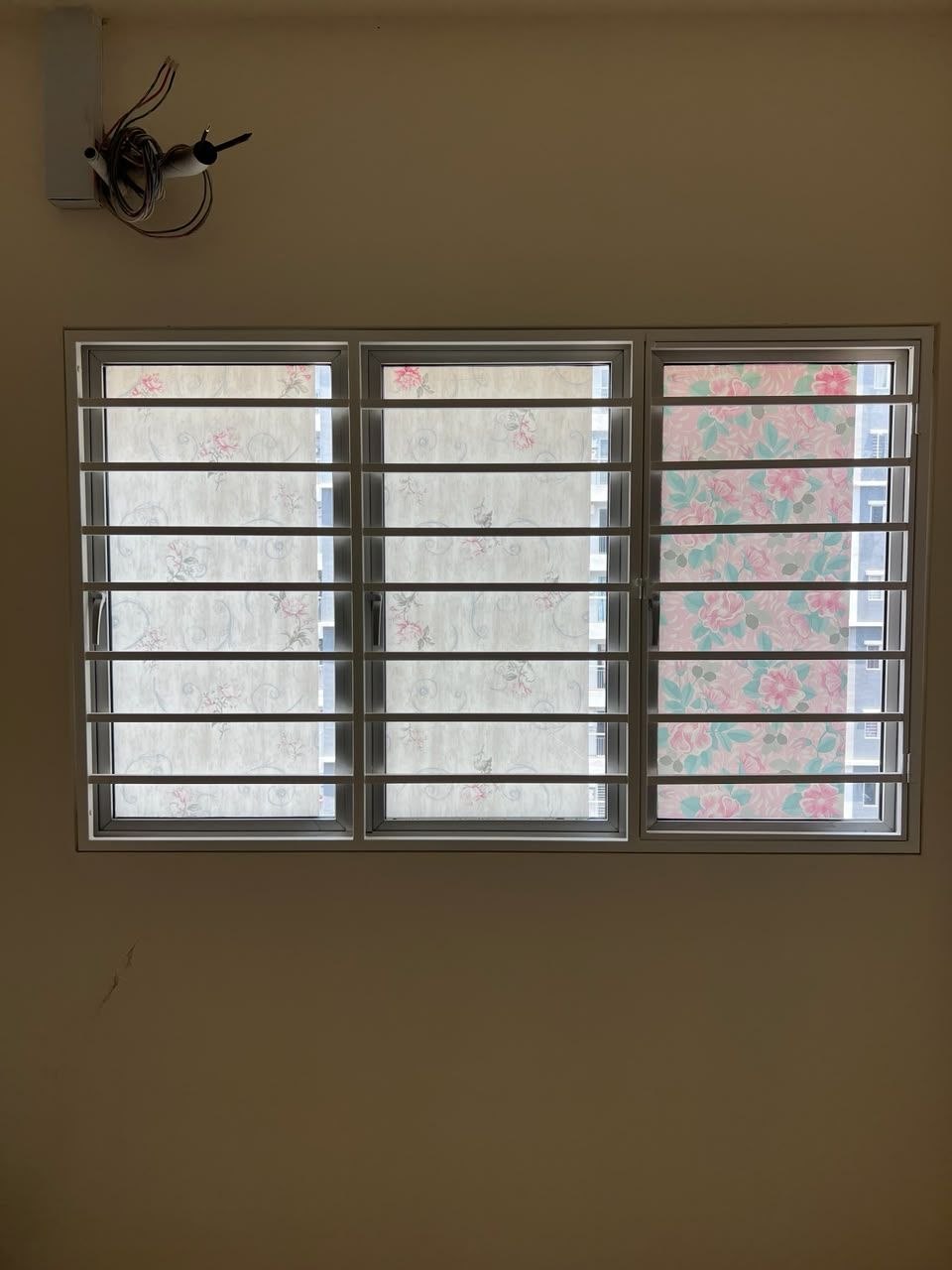
Window grill refers to the fabrication and installation of protective metal, iron, wood, or aluminum bars affixed to the interior or exterior of window frames for security, safety, and aesthetic purposes.
Core Components & Materials
Mild Steel / Wrought Iron: The most common and durable materials used for maximum home security against break-ins.
Aluminum: Lightweight, rust-resistant, and commonly used in modern or high-rise residential properties.
Stainless Steel: Highly durable and corrosion-resistant, often chosen for coastal areas or sleek architectural designs.
Wood: Primarily used for traditional or decorative interior aesthetics rather than heavy-duty security.
Common Construction & Installation Steps
Measurement & Customization: Precise window frame dimensions are taken to ensure the grill fits flush against the wall or inside the window recess.
Material Fabrication: Metal bars, rods, or decorative scrolls are cut, welded, and shaped into custom patterns (e.g., vertical bars, geometric grids, or ornate floral designs).
Surface Treatment: Grills are primed and finished with powder coating, anti-rust paint, or galvanization to prevent corrosion and withstand weather elements.
Anchoring: The constructed grill is firmly secured into the masonry, concrete, or window frame using heavy-duty anchor bolts, masonry screws, or welded flanges.
Primary Functions
Security: Acts as a physical barrier preventing unauthorized entry.
Child Safety: Prevents young children from accidental falls out of high-rise or upper-story windows.
Ventilation & Light: Designed with spacing that allows natural airflow and sunlight while maintaining security.