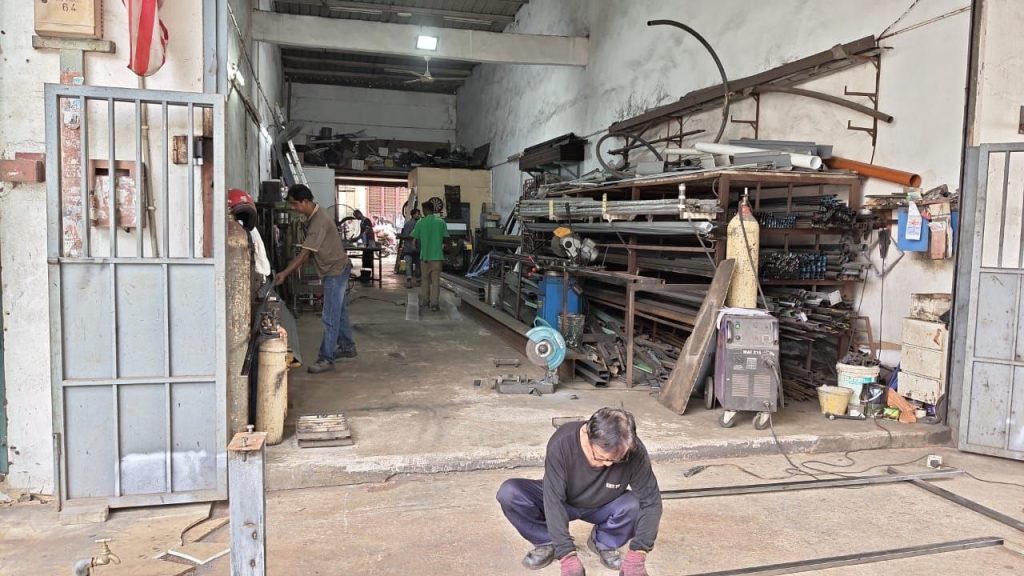
- Structural Beam: Footing / Stump
- Structural Beam: Hall
- Structural Beam: Building
- Stainless Steel: Railing
- Stainless Steel: Door Grill
- Stainless Steel: Window Grill
- Awning
- Water Proofing: Epoxy
- Water Proofing: Tiles
- Turbine: Turbine Installation
- Turbine: Netting Ceiling
- Home & Industrial Roof
- Fixing Pipe Leaking
Turbine Netting Ceiling
Turbine netting ceiling is not a single standardized technical term, but rather a descriptive combination of roof turbine ventilators, ceiling ventilation components, and protective mesh or safety netting.
The term typically refers to protective screening, mesh, or safety barriers installed at the ceiling level in conjunction with roof wind turbines (whirlybirds) or indoor ventilation systems.
Key Elements of This Concept
Roof Turbine Ventilators: Wind-powered devices mounted on roofs to naturally draw out hot, stale air and moisture from a building’s interior or attic space without consuming electricity.
Ceiling Diffusers and Grilles: The interior opening or vent integrated into a false or drop ceiling that connects the living or working space to the vertical exhaust shaft leading up to the roof turbine.
Netting and Mesh Applications:
Pest and Bird Exclusion: Fine wire mesh or netting is often placed across ceiling vents or turbine throats to prevent birds, rodents, and large insects from entering the building envelope through the ventilation duct.
Debris and Ember Guards: In industrial or fire-prone areas, specialized mesh screens (such as non-combustible ember guards) are fitted near ceiling transitions to stop wind-blown debris, dust, or sparks from passing through.
Construction Fall and Debris Protection: During structural construction or maintenance involving high ceilings and roof penetrations, safety netting is temporarily or permanently rigged near the ceiling level to protect workers from falls and catch dropped tools or materials.